Global Japanese Comfort Recipes
Highlighted under: Cozy Comfort Recipes
Explore the world of Japanese comfort food with these delightful recipes that bring warmth and joy to your kitchen.
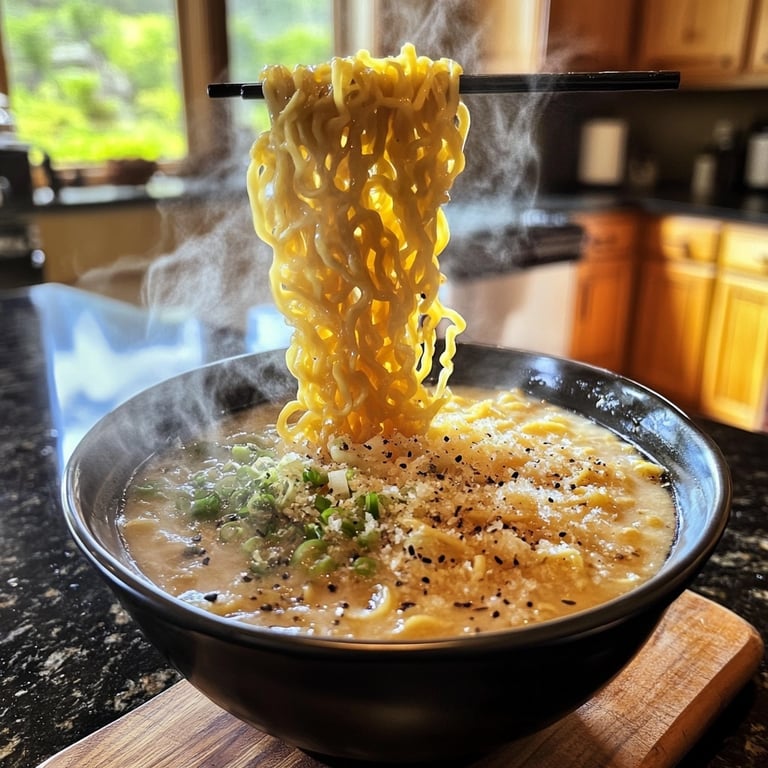
Japanese comfort food is beloved around the globe for its rich flavors and heartwarming qualities. These recipes combine traditional techniques with modern twists, making them perfect for any occasion.
Why You Will Love These Recipes
- Authentic flavors that transport you to Japan
- Hearty and satisfying meals perfect for any time of year
- Easy to make with accessible ingredients
The Essence of Japanese Comfort Food
Japanese comfort food embodies warmth and nostalgia, often reminding us of home-cooked meals shared with loved ones. Ingredients such as dashi, soy sauce, and fresh vegetables come together to create dishes that are both simple and satisfying. The use of umami-rich flavors makes these meals not only palatable but also deeply satisfying, providing comfort in every bite.
In Japan, comfort food is cherished for its ability to soothe the soul, especially during colder months or when one is feeling under the weather. Dishes like nabe and donburi are perfect examples of how Japanese cuisine transforms everyday ingredients into hearty meals that bring joy and contentment. Each recipe is steeped in tradition, making them beloved staples in Japanese households.
A Journey Through Flavorful Ingredients
The key to authentic Japanese comfort food lies in the quality of its ingredients. Sushi rice, with its sticky texture, serves as the perfect base for many dishes, while dashi broth adds a rich umami depth. Fresh vegetables like mushrooms, onions, and carrots not only enhance the flavor but also provide essential nutrients, making these meals wholesome and nourishing.
Cooking with accessible ingredients allows you to recreate these comforting dishes right in your own kitchen. Items like soy sauce and mirin are pantry staples that can elevate any meal, offering a touch of authenticity without the need for specialized items. With just a few basic elements, you can embark on a culinary journey that celebrates the essence of Japanese cooking.
Cooking Techniques for Comfort
Cooking Japanese comfort food is not only about following recipes but also about embracing techniques that enhance flavors. Sautéing vegetables until they are tender and fragrant helps to release their natural sweetness, creating a base that is both flavorful and satisfying. The slow simmering of broth allows the ingredients to meld together, resulting in a rich and hearty dish that is perfect for sharing.
Whether you're using a rice cooker or a stovetop method, mastering the cooking of sushi rice can elevate your dish significantly. Understanding how to balance flavors through seasoning is another crucial aspect of Japanese cooking, ensuring that each ingredient shines while contributing to the overall harmony of the dish.
Ingredients
Gather your ingredients before starting the cooking process for a smoother experience.
Japanese Comfort Ingredients
- 2 cups of sushi rice
- 4 cups of dashi broth
- 1 pound of chicken thighs, diced
- 1 cup of sliced mushrooms
- 1 onion, chopped
- 2 carrots, sliced
- 2 tablespoons of soy sauce
- 1 tablespoon of mirin
- 1 tablespoon of sesame oil
- 2 green onions, chopped for garnish
Make sure to have all your ingredients measured and prepped before you start cooking.
Instructions
Follow these steps carefully to create a delicious Japanese comfort meal.
Prepare the Rice
Rinse the sushi rice under cold water until the water runs clear. Cook the rice in a rice cooker or on the stovetop with 2 cups of water until tender.
Cook the Chicken
In a large pot, heat the sesame oil over medium heat. Add the chopped onion and carrots, and sauté until they soften. Add the diced chicken thighs and cook until browned.
Add Vegetables and Broth
Add the sliced mushrooms and pour in the dashi broth. Bring to a boil, then reduce the heat and let it simmer for 20 minutes.
Season the Soup
Stir in the soy sauce and mirin. Taste and adjust seasoning if necessary. Let it simmer for another 5 minutes.
Serve
Serve the soup over a bowl of sushi rice and garnish with chopped green onions.
Enjoy your homemade Japanese comfort food that warms the heart and soul!
Pro Tips
- Feel free to add your favorite vegetables or proteins to customize this dish to your liking.
Serving Suggestions
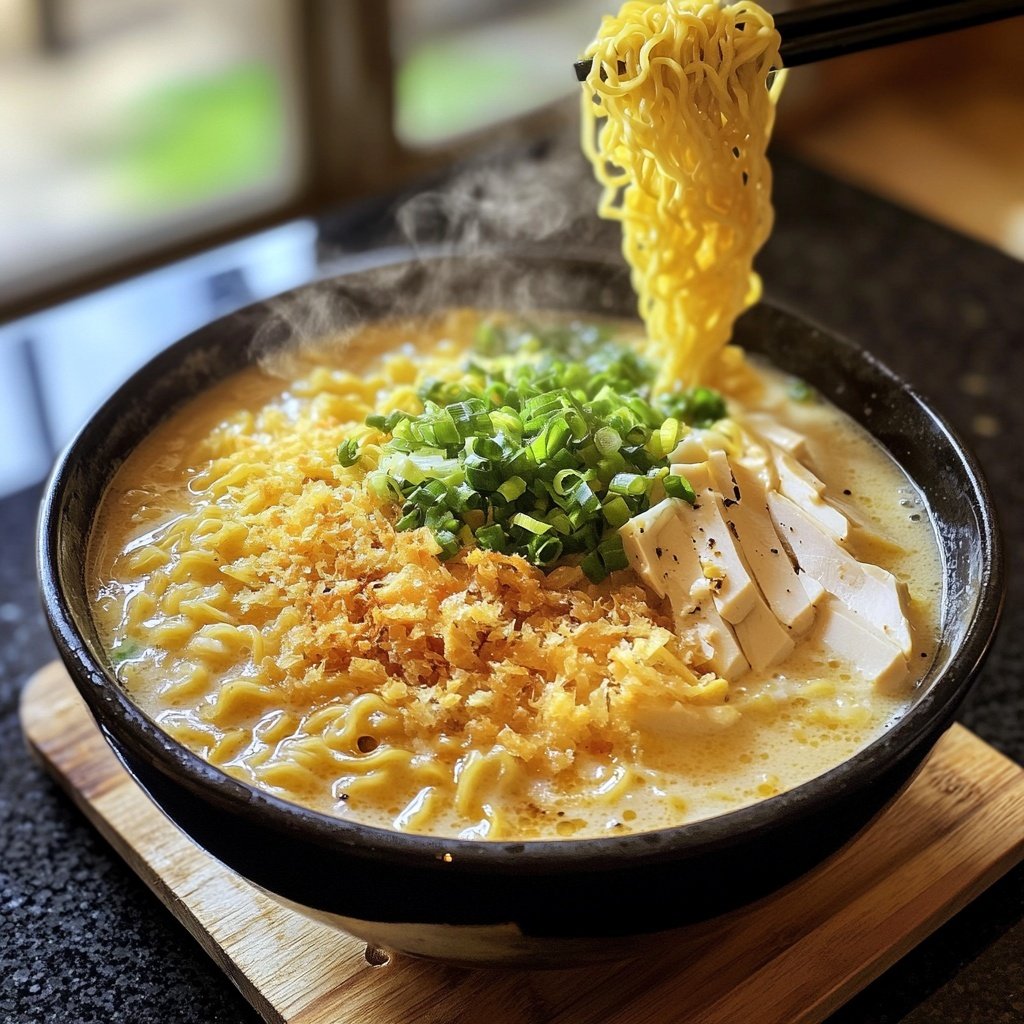
When serving Japanese comfort food, presentation can enhance the dining experience. Consider using traditional Japanese bowls for serving rice and soup, which not only adds an authentic touch but also makes the meal feel special. Garnishing your dish with fresh green onions or sesame seeds provides a pop of color and texture, elevating the overall appeal.
Pairing your comfort food with pickled vegetables or a side salad can offer a refreshing contrast to the rich flavors of the main dish. These accompaniments not only complement the meal but also create a well-rounded dining experience that celebrates the balance found in Japanese cuisine.
Storing Leftovers
If you find yourself with leftover soup or rice, storing them properly can help maintain their flavors and textures. Allow the soup to cool before transferring it to an airtight container, and refrigerate it for up to three days. When reheating, add a splash of water or broth to restore its original consistency.
For sushi rice, it's best to store it at room temperature if you plan to consume it within a few hours. If you need to keep it longer, place it in an airtight container in the refrigerator. Reheat it gently in the microwave, adding a little water to prevent it from drying out.
Exploring Variations
One of the joys of Japanese comfort food is its versatility. You can easily adapt these recipes to suit your tastes or dietary preferences. For instance, swapping chicken for tofu or incorporating seasonal vegetables can create a completely new dish while still retaining the comforting essence of the original recipe.
Experimenting with different flavors, such as adding miso paste or chili oil, can also elevate your comfort food experience. Don't hesitate to experiment, as the beauty of these recipes lies in their ability to be personalized, making each meal a reflection of your own culinary creativity.
Questions About Recipes
→ Can I use different types of meat?
Yes, you can substitute chicken with pork or tofu for a vegetarian option.
→ What if I can't find dashi broth?
You can use chicken or vegetable broth as a substitute.
→ Can I make this recipe ahead of time?
Yes, you can prepare the soup in advance and reheat it when ready to serve.
→ Is this recipe gluten-free?
To make it gluten-free, use gluten-free soy sauce.
Global Japanese Comfort Recipes
Created by: The Dishhaven Team
Recipe Type: Cozy Comfort Recipes
Skill Level: Intermediate
Final Quantity: Serves 4
What You'll Need
Japanese Comfort Ingredients
- 2 cups of sushi rice
- 4 cups of dashi broth
- 1 pound of chicken thighs, diced
- 1 cup of sliced mushrooms
- 1 onion, chopped
- 2 carrots, sliced
- 2 tablespoons of soy sauce
- 1 tablespoon of mirin
- 1 tablespoon of sesame oil
- 2 green onions, chopped for garnish
How-To Steps
Rinse the sushi rice under cold water until the water runs clear. Cook the rice in a rice cooker or on the stovetop with 2 cups of water until tender.
In a large pot, heat the sesame oil over medium heat. Add the chopped onion and carrots, and sauté until they soften. Add the diced chicken thighs and cook until browned.
Add the sliced mushrooms and pour in the dashi broth. Bring to a boil, then reduce the heat and let it simmer for 20 minutes.
Stir in the soy sauce and mirin. Taste and adjust seasoning if necessary. Let it simmer for another 5 minutes.
Serve the soup over a bowl of sushi rice and garnish with chopped green onions.
Extra Tips
- Feel free to add your favorite vegetables or proteins to customize this dish to your liking.
Nutritional Breakdown (Per Serving)
- Calories: 450 kcal
- Total Fat: 18g
- Saturated Fat: 4g
- Cholesterol: 120mg
- Sodium: 750mg
- Total Carbohydrates: 50g
- Dietary Fiber: 3g
- Sugars: 2g
- Protein: 25g