Lemon Dijon Homemade Mayonnaise
Highlighted under: Cozy Comfort Recipes
Elevate your sandwich game with this zesty and creamy Lemon Dijon Homemade Mayonnaise. Perfect for dipping or as a spread!
This homemade mayonnaise is a delightful twist on a classic recipe. The addition of lemon and Dijon mustard adds a refreshing tang that pairs beautifully with any dish.
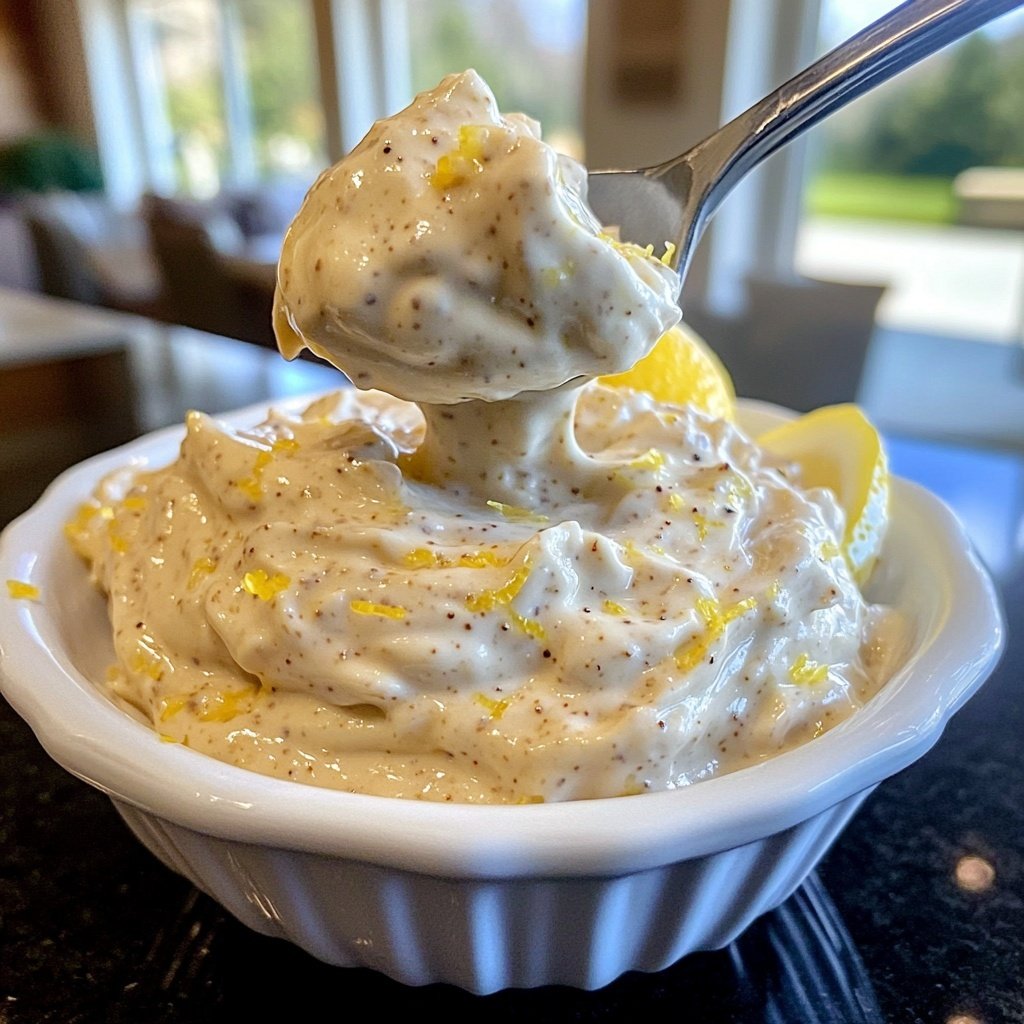
Why You'll Love This Recipe
- Zesty lemon flavor that brightens any dish
- Creamy texture made fresh at home
- Quick and easy to whip up in minutes
The Magic of Homemade Mayonnaise
Homemade mayonnaise is a culinary delight that opens the door to endless possibilities. Unlike store-bought varieties, this Lemon Dijon Mayonnaise is rich in flavor and free from preservatives. The freshness of the ingredients truly shines through, offering a taste that elevates your dishes. Whether you're preparing a classic sandwich, a fresh salad, or a delicious dip, this creamy spread enhances each bite with a tangy twist.
Creating your own mayonnaise at home also allows you to customize the flavors to suit your personal preferences. By adjusting the amount of lemon juice or adding herbs, you can make this recipe uniquely yours. The satisfaction of whipping up a batch from scratch is a rewarding experience, and it’s surprisingly easy to do with just a few simple ingredients.
Versatile Ways to Use Lemon Dijon Mayonnaise
The versatility of this Lemon Dijon Mayonnaise makes it a must-have in your kitchen. Use it as a spread on sandwiches and wraps for an instant flavor boost. It pairs beautifully with roasted vegetables, grilled meats, or as a base for a zesty potato salad. You can even blend it with additional spices to create a unique dipping sauce for fries or fresh veggies.
Additionally, this mayonnaise can serve as a fantastic base for dressings. Simply whisk in some vinegar or additional lemon juice to create a creamy vinaigrette that complements any salad. The possibilities are endless, making it an essential component of your culinary repertoire.
Storage Tips for Freshness
To ensure the longevity of your homemade mayonnaise, proper storage is key. Keep it in an airtight container and store it in the refrigerator. It’s best consumed within a week, thanks to the lack of preservatives found in commercial options. Always use clean utensils when scooping out the mayonnaise to avoid contamination and maintain its freshness.
If you find yourself with leftover mayonnaise, consider using it in other recipes. It can be incorporated into pasta dishes, used as a spread for burgers, or even as a flavorful ingredient in deviled eggs. This way, you can enjoy the full benefits of your homemade creation without waste.
Ingredients
Gather the following ingredients to make your homemade mayonnaise:
Ingredients
- 1 large egg
- 1 tablespoon Dijon mustard
- 1 tablespoon lemon juice
- 1 cup vegetable oil
- Salt to taste
- Pepper to taste
Once you have all the ingredients, you are ready to start making your mayonnaise!
Instructions
Follow these simple steps to create your homemade mayonnaise:
Combine Ingredients
In a tall container, combine the egg, Dijon mustard, and lemon juice.
Blend
Using an immersion blender, blend the mixture while slowly adding the vegetable oil until it emulsifies and thickens.
Season
Add salt and pepper to taste, blending briefly to combine.
Your homemade mayonnaise is now ready to enjoy!
Pro Tips
- For a thicker mayonnaise, use less oil. Feel free to experiment with additional seasonings for a unique flavor.
Nutritional Benefits
Making your own mayonnaise allows you to control the ingredients and nutritional content. The use of fresh eggs provides a good source of protein, while the addition of lemon juice adds vitamin C and antioxidants. Dijon mustard not only contributes a delightful flavor but also has low calories and can aid in digestion. Overall, this homemade version can be a healthier alternative to store-bought mayonnaise, which often contains added sugars and unhealthy fats.
Using vegetable oil, like canola or sunflower, adds healthy fats to the mix. These fats are essential for a balanced diet, promoting heart health and aiding in the absorption of fat-soluble vitamins. By opting for homemade mayonnaise, you are not just enhancing your meals, but also making a more nutritious choice.
Troubleshooting Common Issues
If your mayonnaise doesn’t emulsify or thicken as expected, don’t worry! This can happen if the ingredients are too cold or if the oil is added too quickly. To remedy this, let your ingredients come to room temperature before starting, and add the oil gradually while blending. This will help ensure a smooth and creamy texture.
In the case that your mayonnaise turns out too thick, simply add a teaspoon of warm water and blend again until you reach your desired consistency. Conversely, if it’s too thin, you can add more oil slowly while blending until it thickens up. With these tips, you can perfect your homemade mayonnaise every time!
Questions About Recipes
→ Can I use olive oil instead of vegetable oil?
Yes, but it may impart a stronger flavor.
→ How long can I store homemade mayonnaise?
It can be stored in the refrigerator for up to one week.
→ Is it safe to use raw eggs in mayonnaise?
If you're concerned about raw eggs, use pasteurized eggs.
→ Can I make mayonnaise without an immersion blender?
Yes, you can use a regular blender or a whisk, but it will require more effort.
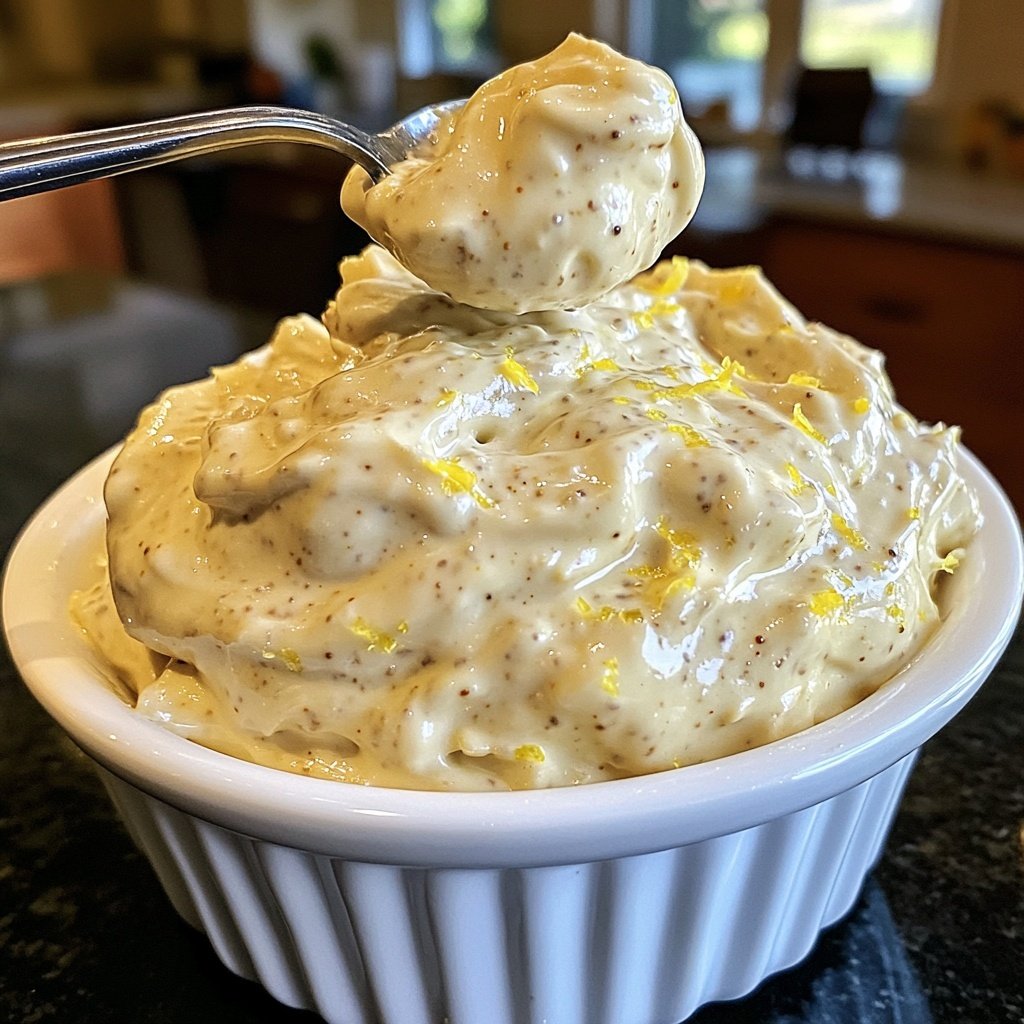
Lemon Dijon Homemade Mayonnaise
Created by: The Dishhaven Team
Recipe Type: Cozy Comfort Recipes
Skill Level: Beginner
Final Quantity: 1 cup
What You'll Need
Ingredients
- 1 large egg
- 1 tablespoon Dijon mustard
- 1 tablespoon lemon juice
- 1 cup vegetable oil
- Salt to taste
- Pepper to taste
How-To Steps
In a tall container, combine the egg, Dijon mustard, and lemon juice.
Using an immersion blender, blend the mixture while slowly adding the vegetable oil until it emulsifies and thickens.
Add salt and pepper to taste, blending briefly to combine.
Extra Tips
- For a thicker mayonnaise, use less oil. Feel free to experiment with additional seasonings for a unique flavor.
Nutritional Breakdown (Per Serving)
- Calories: 240 kcal
- Total Fat: 27g
- Saturated Fat: 3g
- Cholesterol: 186mg
- Sodium: 80mg
- Total Carbohydrates: 1g
- Dietary Fiber: 0g
- Sugars: 0g
- Protein: 1g